

What Is the Difference Between Towing, Recovery, and Roadside Assistance?
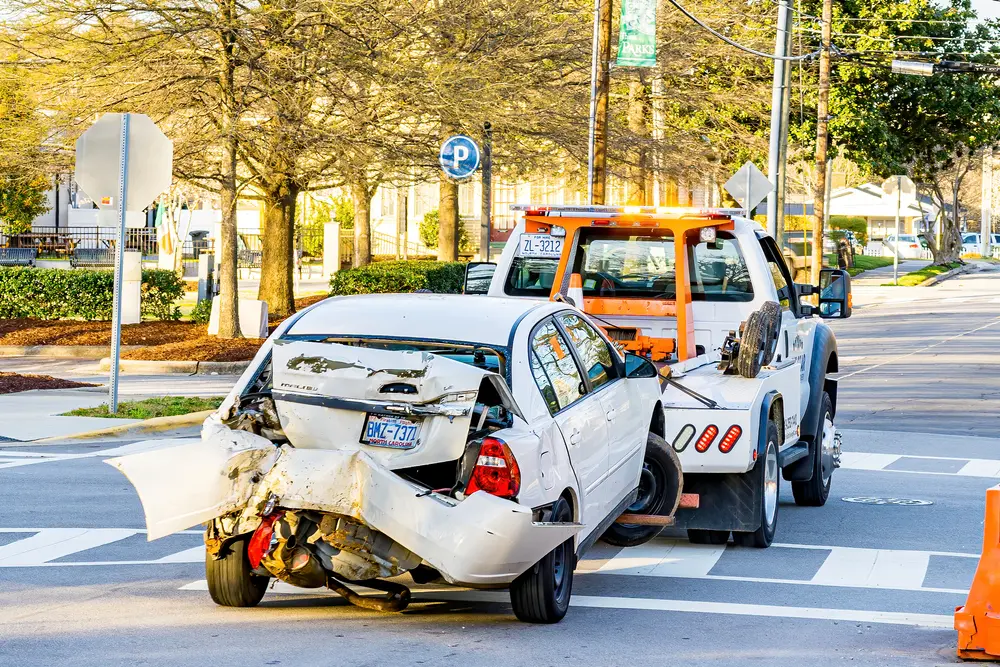
A disabled vehicle on I-45, a flat tire near the 610 Loop, and a vehicle stuck off the road after heavy rain are all roadside problems, but they may require very different services. For Houston drivers, knowing whether to request towing, recovery, or roadside assistance can help get the right equipment and service dispatched from the start.
Quick answer: Towing generally moves a vehicle from one location to another when it cannot or should not be driven. Roadside assistance handles problems that can often be resolved where the vehicle stopped, such as a flat tire or dead battery. Vehicle recovery is used when a vehicle is stuck, off the roadway, overturned, or otherwise difficult to access and requires specialized techniques before it can be moved.
What Houston Drivers Should Know
-
Towing is usually appropriate when a vehicle needs transportation to a repair shop, home, dealership, or another destination.
-
Roadside assistance may be enough when a driver has a dead battery, flat tire, lockout, or another problem that can potentially be resolved without transporting the vehicle.
-
Recovery may be necessary after crashes, roadway departures, flooding conditions, or situations where a vehicle cannot be reached safely with a standard tow.
-
Busy routes such as I-10, I-45, I-69, and the 610 Loop can make disabled vehicles particularly disruptive and potentially hazardous.
-
Giving the towing provider accurate information about the vehicle and its position helps determine what equipment may be appropriate.
South Central Towing & Recovery helps motorists understand which type of service fits their situation. When you contact us, clear information about what happened, where the vehicle is located, and its current condition can help us evaluate the service needed.
Why Does the Difference Between Towing, Recovery, and Roadside Assistance Matter in Houston?
The difference between towing, recovery, and roadside assistance matters because each service addresses a different type of vehicle problem, and Houston’s busy highways, frontage roads, severe weather, and heavy traffic can make choosing the appropriate response especially important. A vehicle that simply will not start presents a different challenge from one that has left the roadway.
Houston drivers regularly travel major corridors such as I-10, I-45, I-69, Beltway 8, and the 610 Loop. Breakdowns along these routes can leave motorists close to fast-moving traffic. Heavy rainfall can also create difficult roadside conditions in Harris County, particularly when shoulders, ditches, or unpaved areas become saturated.
Understanding what kind of help you need makes it easier to explain the situation when requesting service.
What Is Towing?
Towing is the transportation of a vehicle from one location to another when the vehicle cannot be driven safely, is mechanically disabled, has been involved in a collision, or otherwise needs to be moved. In Houston, this may mean transporting a vehicle from a highway, parking area, home, workplace, or roadside location to another destination.
Common situations that may require towing include mechanical failure, collision damage, overheating, electrical problems, or a vehicle that will not start and cannot be repaired at the roadside.
A tow can also be appropriate when driving the vehicle could cause additional damage. For example, a driver who notices a serious mechanical problem near Downtown Houston may be better served by having the vehicle transported rather than attempting to continue through traffic.
What Is Vehicle Recovery?
Vehicle recovery is the process of safely reaching, stabilizing, repositioning, or removing a vehicle that cannot simply be loaded or connected for a routine tow. Recovery may involve a vehicle that has entered a ditch, become stuck in mud, left the roadway, overturned, or ended up in a position that makes normal towing difficult.
Houston’s weather and road environment can create recovery situations that go beyond an ordinary breakdown. Heavy rainfall may soften roadside ground, while a collision on a freeway or frontage road can leave a vehicle positioned away from a normal loading area.
Recovery work can require additional equipment and planning because the vehicle’s location, angle, weight, damage, and surrounding hazards all affect how it should be moved. Once the vehicle has been recovered to an accessible position, towing may still be necessary.
What Is Roadside Assistance?
Roadside assistance addresses common vehicle problems that may be resolved where the vehicle stopped, potentially allowing the driver to continue without a tow. Typical examples include jump-start assistance, certain flat-tire situations, vehicle lockouts, and other minor roadside problems that do not necessarily require transporting the vehicle elsewhere.
For example, a dead battery in a parking lot near the Galleria is different from a vehicle that has suffered major mechanical damage on I-10. If a jump-start resolves the first problem, transportation may not be necessary.
Roadside assistance has limits. If the problem cannot be safely corrected where the vehicle is located, towing may become the next appropriate step.
What Warning Signs Suggest You Need More Than Basic Roadside Assistance?
You may need towing or recovery instead of basic roadside assistance when the vehicle is unsafe to drive, has significant damage, is stuck outside the normal roadway, or cannot be repaired safely at its current location. The position of the vehicle can be just as important as the mechanical problem itself.
Watch for these signs:
-
The vehicle cannot move under its own power after basic troubleshooting.
-
Collision damage affects a wheel, tire, suspension component, or other critical area.
-
The vehicle is stuck in mud, a ditch, soft ground, or another difficult surface.
-
The vehicle has left the roadway or is positioned at an unusual angle.
-
Fluid is leaking after a collision or mechanical failure.
-
A tire or wheel is too damaged for a normal roadside tire change.
-
The vehicle is blocking traffic or stopped in an unsafe location.
-
Continuing to drive could make an existing mechanical problem worse.
On Houston freeways and other high-speed roads, personal safety should come before diagnosing the vehicle yourself.
When Should You Call a Professional?
You should call a professional when your vehicle cannot be driven safely, you cannot resolve the problem without entering traffic or another hazardous area, or specialized towing or recovery equipment may be required. Houston traffic conditions can make tasks that seem manageable in a driveway much more dangerous beside a freeway.
A driver may be able to check an obvious issue in a safe parking area. That does not mean the same check should be attempted beside I-45 or the 610 Loop.
If you are in a dangerous roadway position, prioritize personal safety and follow directions from appropriate emergency or roadway authorities when applicable. Once you are in a safer position, provide the towing provider with as much detail as possible about the vehicle and its surroundings.
What Common Houston Situations Lead to Towing or Recovery?
Common Houston towing and recovery situations include mechanical breakdowns in heavy traffic, collision-damaged vehicles, vehicles stuck on wet or soft ground, and cars that cannot be safely driven after tire or wheel damage. Local highways, high traffic volumes, heat, and periods of intense rainfall can all affect roadside situations.
Mechanical trouble can occur anywhere, but a breakdown on Beltway 8 presents different access and safety concerns than one in a residential driveway. Similarly, a vehicle that leaves a paved surface during wet conditions may require recovery before it can be transported.
Drivers should describe both the vehicle problem and the surroundings when requesting help. Details such as whether the vehicle is in a parking garage, traffic lane, ditch, shoulder, or muddy area can matter.
How Can Drivers Reduce the Risk of Needing Emergency Roadside Service?
Drivers can reduce the risk of unexpected towing or roadside service by monitoring tires, batteries, fluids, warning lights, and other basic vehicle conditions before problems become roadside emergencies. Houston’s heat and long freeway trips make routine vehicle checks particularly useful, although maintenance cannot prevent every breakdown or collision.
Check tire condition and pressure regularly, pay attention to dashboard warning lights, and address unusual sounds or changes in vehicle performance promptly. Before longer trips across the Houston area, confirm that your tires and essential vehicle systems appear ready for the drive.
DIY inspection should stop when the vehicle’s condition or location makes working around it unsafe.
What Results Should You Expect From the Right Roadside Service?
The right roadside service should address the immediate problem appropriately, whether that means resolving a minor issue at the vehicle’s location, transporting the vehicle, or recovering it from a difficult position before towing. The exact process depends on the vehicle, its condition, accessibility, surroundings, and the reason assistance was requested.
Roadside assistance may get a vehicle moving again without transportation. Towing moves the vehicle when it needs another destination. Recovery focuses first on safely getting a difficult-to-access or immobilized vehicle into a position where it can be handled.
Accurately describing the situation helps set appropriate expectations before service begins.
What Mistakes Should Houston Drivers Avoid When Requesting Help?
Houston drivers should avoid assuming every roadside problem requires the same type of tow, because incomplete information can make it harder to determine the equipment and service appropriate for the situation. Explaining what happened and where the vehicle ended up is more useful than simply saying that the car needs a tow.
Mistake: Saying only that the vehicle is “broken down.”
Consequence: Important details about access or vehicle condition may be missed.
Better approach: Explain whether the vehicle starts, rolls, has collision damage, or is stuck.
Mistake: Trying to solve a problem beside fast-moving traffic.
Consequence: The driver may unnecessarily expose themselves to roadway hazards.
Better approach: Prioritize safety and request professional assistance when the location is unsafe.
Mistake: Calling for routine towing when the vehicle is in a ditch or off-road position.
Consequence: The situation may require recovery work before transportation.
Better approach: Describe the vehicle’s exact position when requesting service.
What Is a Common Local Towing Scenario?
A common Houston scenario involves a vehicle that becomes disabled on or near a major freeway and initially appears to need simple roadside assistance, but the vehicle’s condition ultimately requires towing. For example, a driver may suspect a battery problem, only to discover that the vehicle still cannot operate after basic roadside troubleshooting.
Another common scenario involves a vehicle leaving the paved roadway during poor weather. If the vehicle becomes stuck in soft ground or a ditch, the job may involve recovery first and towing second.
These examples illustrate why describing the situation clearly matters when requesting assistance.
Which Service Solution Fits Your Situation?
The right service depends on whether your vehicle can be repaired where it stopped, needs transportation, or must first be recovered from a difficult position. Roadside assistance addresses manageable on-site problems, towing handles transportation, and recovery handles vehicles that cannot be accessed or moved through ordinary towing procedures.
If you are unsure which category applies, explain the situation rather than trying to diagnose the required equipment yourself.
How Do Towing, Recovery, and Roadside Assistance Compare?
Towing, recovery, and roadside assistance differ mainly in what must happen to the vehicle: roadside assistance attempts to solve a manageable problem on-site, towing transports the vehicle, and recovery handles vehicles that are stuck, displaced, overturned, or otherwise difficult to access. Some incidents can involve more than one of these services.
| Situation | Likely Service |
|---|---|
| Dead battery in a safe parking area | Roadside assistance |
| Flat tire that can be safely changed | Roadside assistance |
| Vehicle cannot be driven to a repair facility | Towing |
| Collision-damaged vehicle cannot be safely driven | Towing |
| Vehicle stuck in a ditch or soft ground | Recovery |
| Vehicle off the roadway and difficult to access | Recovery, potentially followed by towing |
The actual service required should be based on the vehicle’s condition and location.
What Areas Can Local Drivers Request Service From?
Drivers throughout Houston and surrounding parts of the service area may encounter towing, roadside, and recovery needs on freeways, neighborhood streets, commercial properties, and other local roads. Common travel corridors include I-10, I-45, I-69, the 610 Loop, and Beltway 8 throughout Harris County.
For exact service-area availability at a particular location, contact us with your location and situation.
What Can Happen If You Delay Getting the Right Help?
Delaying appropriate towing or recovery can leave a disabled vehicle exposed to traffic, weather, or additional mechanical damage, particularly when it is stopped in a hazardous location. Waiting can also turn a manageable roadside situation into a larger problem if the vehicle is driven despite signs that it should not remain on the road.
The safest decision depends on the circumstances. If a vehicle cannot be operated safely, avoid treating continued driving as the default solution.
FAQ About Towing, Recovery, and Roadside Assistance
These frequently asked questions help Houston drivers quickly distinguish between towing, recovery, and roadside assistance based on what happened to the vehicle and where it is located. Because roadside incidents vary considerably, the vehicle’s condition, accessibility, and surroundings are often the most useful details to provide when requesting help.
Is roadside assistance the same as towing in Houston?
No. Roadside assistance generally addresses problems that may be resolved where the vehicle stopped, while towing transports the vehicle somewhere else. A jump-start or manageable flat tire may call for roadside assistance. A vehicle that cannot be driven safely may need towing to a repair facility or another destination.
What is the difference between towing and vehicle recovery?
Towing primarily transports an accessible vehicle, while recovery deals with vehicles that are stuck, displaced, overturned, or otherwise difficult to access. A vehicle in a Houston roadside ditch, for example, may first need to be recovered to a workable position before it can be towed elsewhere.
Do I need recovery if my vehicle is stuck in mud?
Possibly. A vehicle stuck deeply enough that it cannot regain traction may require recovery rather than a routine tow. This can be particularly relevant after heavy rainfall in the Houston area, when unpaved shoulders, lots, and roadside ground can become soft. Describe the surface and vehicle position when requesting help.
Can roadside assistance fix every breakdown?
No. Roadside assistance is intended for problems that can be addressed safely and appropriately at the vehicle’s location. If a mechanical problem cannot be resolved there, or if the vehicle remains unsafe to drive, towing may be necessary to move it to a location where further diagnosis or repair can occur.
What should I tell a towing company if I break down on a Houston freeway?
Provide your location, vehicle type, what happened, whether the vehicle can roll or steer, any visible damage, and whether you are in a travel lane, shoulder, frontage road, parking area, or another position. These details help clarify whether roadside assistance, towing, or recovery may be appropriate.
Does a vehicle in a ditch always need recovery?
A vehicle in a ditch often requires recovery because its position may prevent a standard towing procedure, but the exact response depends on accessibility, terrain, vehicle condition, and other circumstances. In Harris County, wet ground after rainfall can also affect how easily a vehicle can be reached and moved.
Should I drive my car to a shop if it still moves?
Only if the vehicle remains safe to operate. Being able to move does not necessarily mean a vehicle should be driven. Serious warning lights, collision damage, wheel or tire problems, overheating, unusual noises, or fluid leaks can indicate that towing is the safer option instead of continuing through Houston traffic.
Can one incident require both recovery and towing?
Yes. Recovery and towing can be parts of the same incident. A vehicle that leaves the roadway may first need to be repositioned or removed from a ditch. After recovery makes the vehicle accessible, it may then need to be towed to a repair facility or another destination.
Knowing the difference between roadside assistance, towing, and recovery makes it easier to request the right kind of help when a vehicle problem occurs. For Houston drivers, clear information about the vehicle, its condition, and its location can make the service request much more straightforward.
Get the Right Help for Your Houston Roadside Situation
Whether you need roadside assistance, towing, or vehicle recovery, the goal is to match the response to your vehicle’s actual condition and location. Tell us what happened and where your vehicle is located so we can help determine the appropriate service.