

Houston Roadside Emergencies: Common Reasons Drivers Call for Towing and Assistance
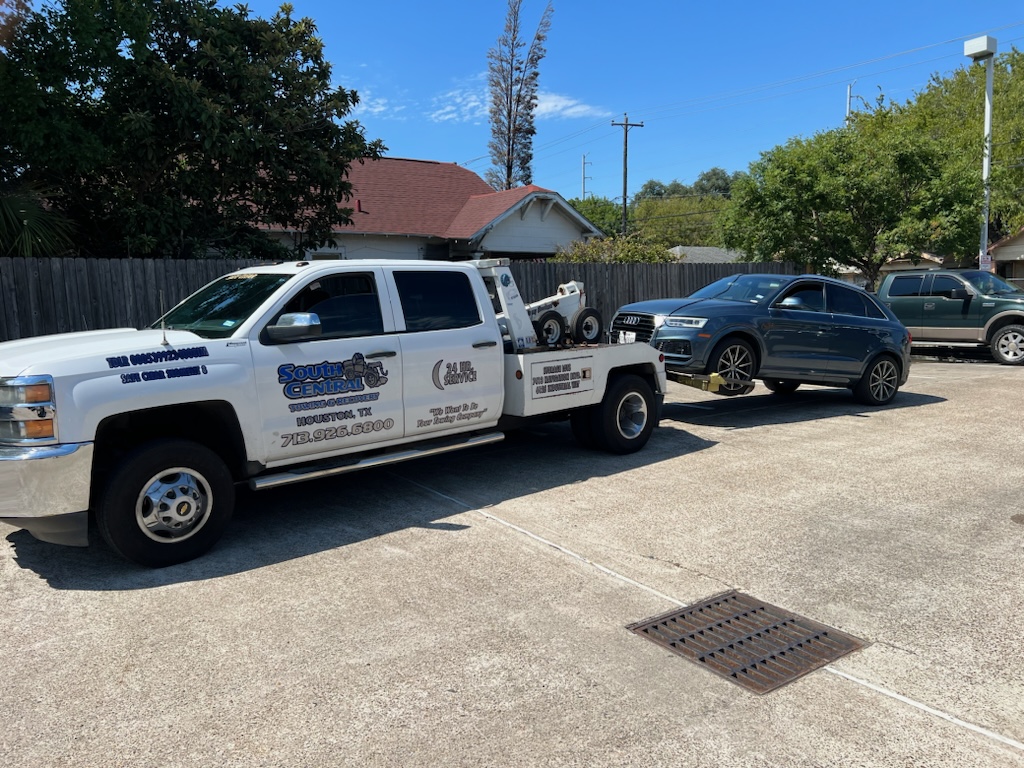
A stalled vehicle on I-45, a flat tire along the 610 Loop, or a car that will not start after sitting in a hot parking lot can quickly disrupt a normal day. In Houston, heavy traffic, long driving distances, summer heat, and sudden storms can make roadside problems especially inconvenient and potentially unsafe.
Most roadside assistance calls involve vehicles that cannot be driven safely because of breakdowns, battery problems, flat tires, collisions, overheating, lockouts, or fuel issues. The right response depends on where the vehicle is stopped, what went wrong, and whether the problem can be handled roadside or requires a tow to a repair facility.
What Local Drivers Should Know
-
A vehicle stopped in an active traffic lane should be treated as a safety issue before troubleshooting begins.
-
Major routes such as I-10, I-45, US 59/I-69, and the 610 Loop can leave disabled vehicles exposed to fast-moving traffic.
-
Houston heat can put additional stress on batteries, cooling systems, tires, and other vehicle components.
-
Flooded streets should never be treated like an ordinary breakdown location because water depth and road conditions can change quickly.
-
Roadside assistance may solve simple problems, while mechanical failures, collision damage, and unsafe vehicles often require towing.
Why Roadside Emergencies Matter in Houston
Roadside emergencies matter locally because drivers often travel on busy multilane freeways, frontage roads, tollways, and heavily traveled surface streets where a disabled vehicle can create an immediate safety concern. Heat and severe weather can add another layer of difficulty when a driver is stranded away from a safe parking area.
Travel around Downtown, the Energy Corridor, the Texas Medical Center, and other busy parts of Harris County can involve significant traffic throughout the day. A breakdown in these environments is different from discovering a dead battery in your driveway.
South Central Towing & Recovery assists motorists who need towing and roadside help in the area. When you contact us, the first priority is understanding your location, vehicle condition, and the type of assistance that may be appropriate.
Local Data or Field Observations
Common roadside conditions in the Houston area include high temperatures, congested freeway travel, sudden heavy rain, and long daily driving distances. These conditions can expose existing weaknesses in tires, batteries, cooling systems, and other vehicle components.
From a roadside-service perspective, location matters almost as much as the mechanical problem. A vehicle that will not start in a parking lot presents a very different situation from a disabled vehicle sitting on the shoulder of I-10 or near a busy interchange.
How a Breakdown Can Affect Local Drivers
A roadside breakdown can affect safety, transportation, work schedules, repair timing, and access to the vehicle. The impact can become more serious when the vehicle is disabled in traffic, cannot be moved to a secure location, or has sustained damage that makes continued driving unsafe.
Houston drivers may also be far from home when a problem occurs. Commuting between neighborhoods, employment centers, and surrounding Harris County communities can mean a breakdown happens many miles from a preferred repair shop or destination.
Warning Signs That You May Need Roadside Assistance
Warning signs that may lead to a roadside assistance or towing call include anything that prevents the vehicle from starting, moving, steering, braking, or operating safely. Drivers should pay particular attention to:
-
An engine that cranks but will not start.
-
Clicking sounds or no response when turning the key or pressing the start button.
-
A flat, damaged, or visibly underinflated tire.
-
Steam, an overheating warning, or an unusually high temperature gauge reading.
-
Warning lights accompanied by poor vehicle performance.
-
Fluid leaking underneath the vehicle after an impact or mechanical problem.
-
Collision damage affecting wheels, steering, lights, or body panels.
-
A vehicle that stalls repeatedly or cannot maintain normal operation.
When Should You Call a Towing Professional?
You should call for professional towing when the vehicle cannot be driven safely, is damaged after a collision, repeatedly stalls, overheats, or has a problem that cannot reasonably be corrected at the roadside. A tow can move the vehicle without requiring the driver to risk further operation.
Simple situations such as certain battery or tire problems may sometimes be addressed with roadside assistance. Drivers should avoid DIY repairs when they would require standing close to moving traffic, crawling underneath an unstable vehicle, or working in another unsafe location.
Common Reasons Drivers Need Towing and Roadside Help
The most common reasons for towing and roadside assistance include mechanical breakdowns, dead batteries, flat tires, overheating, collisions, lockouts, and fuel problems. Local driving conditions can influence when and where these emergencies occur.
1. Mechanical Breakdowns
Engine, transmission, electrical, steering, and other mechanical problems can leave a vehicle unable to continue. If the vehicle loses power, makes severe unusual noises, or cannot be operated normally, continuing to drive may worsen the problem.
2. Dead or Weak Batteries
Battery trouble often becomes obvious when the vehicle starts slowly, makes a clicking sound, or does not start at all. High temperatures can be hard on vehicle batteries, making battery condition particularly relevant during Houston’s long hot season.
3. Flat or Damaged Tires
Punctures, sidewall damage, blowouts, and other tire problems can make a vehicle unsafe to drive. Even when a spare tire is available, changing a tire beside a busy freeway may expose the driver to unnecessary traffic risk.
4. Engine Overheating
An overheating vehicle should not simply be driven until it reaches a repair shop. If the temperature gauge rises significantly or steam appears, stopping safely and arranging assistance can help avoid additional mechanical damage.
5. Collision Damage
A vehicle may look drivable after a crash but still have wheel, suspension, steering, fluid, or body damage. If there is doubt about safe operation, towing is generally the more cautious option.
6. Lockouts and Fuel Problems
Keys locked inside a vehicle or an unexpectedly empty fuel tank can also leave a driver stranded. Depending on the circumstances and vehicle, roadside assistance may be more appropriate than a full tow.
Preventing Common Roadside Problems
Preventing roadside trouble starts with routine vehicle checks, especially before longer drives or periods of extreme heat. Drivers can monitor tire condition and pressure, dashboard warnings, battery performance, fluid levels, and scheduled maintenance.
Before summer travel, pay attention to the cooling system and any history of slow starting or overheating. During periods of heavy rain, check weather and road conditions before leaving. Never attempt to drive through floodwater simply because another vehicle has made it across.
DIY checks should stop when diagnosing the vehicle requires specialized equipment, entering traffic, working beneath the vehicle, or continuing to operate a car that may be unsafe.
What to Expect From Towing or Roadside Assistance
Professional roadside service should help move a disabled vehicle from its current situation toward a safer or more practical next step. Depending on the problem, that may involve roadside assistance or transporting the vehicle to a repair shop, home, or another appropriate destination.
A tow does not diagnose or repair every mechanical problem. Its role is often to prevent the driver from having to operate a vehicle that cannot safely or reliably reach the next destination.
Common Roadside Mistakes
Common roadside mistakes often turn a manageable vehicle problem into a greater safety risk or more expensive repair.
Mistake: Continuing to drive an overheating vehicle.
Consequence: Continued operation may increase the risk of engine damage.
Better approach: Stop in a safe location and arrange appropriate assistance.
Mistake: Changing a tire too close to freeway traffic.
Consequence: The driver may be exposed to passing vehicles.
Better approach: Prioritize personal safety and seek roadside help when the location makes DIY work unsafe.
Mistake: Driving through floodwater.
Consequence: Water can disable a vehicle and create serious safety hazards.
Better approach: Turn around and use a safer route.
Mistake: Assuming collision damage is cosmetic.
Consequence: Hidden steering, suspension, wheel, or fluid-system problems may affect safe operation.
Better approach: Avoid driving when the vehicle’s condition is uncertain.
Common Local Scenario
A common local scenario is a driver whose vehicle begins overheating during a commute on a busy freeway or frontage road. The driver may be tempted to continue several more miles to reach home or a repair shop.
The safer response is to watch for a suitable place to stop, get away from moving traffic when possible, and avoid continuing to operate a vehicle showing serious overheating symptoms. If it cannot be driven safely, towing can move it to an appropriate destination.
Related Towing and Roadside Solutions
Roadside assistance and towing address different levels of vehicle trouble. Minor problems may be handled where the vehicle is located, while breakdowns, accident damage, or unsafe operating conditions can require transportation.
Our role is to help determine what type of assistance fits the immediate situation and get the vehicle moving toward the appropriate next step.
Roadside Assistance vs. Towing
Roadside assistance is generally appropriate when a relatively simple problem can be handled safely at the vehicle’s location, while towing is appropriate when the vehicle cannot or should not continue under its own power.
For example, some battery, tire, lockout, or fuel situations may call for roadside help. Major mechanical problems, overheating, collision damage, or unsafe vehicle conditions are stronger reasons to consider towing.
Towing Service Areas
Drivers in Houston and surrounding Harris County communities can encounter roadside trouble on everything from neighborhood streets to major freeway corridors. Areas such as Downtown, Midtown, the Energy Corridor, and nearby communities all present different traffic and access conditions for a disabled vehicle.
What Can Happen If You Ignore a Vehicle Problem?
Ignoring a serious roadside problem can result in additional vehicle damage, a second breakdown, or unnecessary exposure to traffic. Warning signs such as overheating, severe vibration, loss of power, leaking fluid, or collision-related damage should not be dismissed simply to avoid arranging a tow.
The safest choice is based on whether the vehicle can genuinely be operated without creating additional risk.
Frequently Asked Questions About Houston Roadside Emergencies
What are the most common reasons for calling a tow truck in Houston?
Common reasons include mechanical breakdowns, collision damage, overheating, dead batteries, flat tires, and vehicles that will not start. Some situations can be addressed through roadside assistance, while others require towing because the vehicle cannot be safely driven to a repair facility or another destination.
What should I do if my car breaks down on a Houston freeway?
Move as far away from active traffic as safely possible, turn on your hazard lights, and avoid standing near moving vehicles. If you cannot safely operate or repair the vehicle, request assistance. The correct response also depends on your exact location and whether the vehicle is creating an immediate traffic hazard.
Should I drive an overheating vehicle to a repair shop?
No, you should not continue driving a vehicle that is seriously overheating simply to reach a repair shop. Continued operation can increase mechanical damage. Find a safe place to stop, shut the vehicle down as appropriate, and arrange assistance if it cannot safely continue.
Can Houston heat contribute to roadside problems?
Yes, high temperatures can place additional demands on vehicle batteries, cooling systems, tires, and other components. Heat does not automatically cause every breakdown, but existing weaknesses may become more noticeable during hot-weather driving. Routine inspections and responding promptly to warning signs can reduce the chance of becoming stranded.
Is it safe to change a flat tire beside I-45 or the 610 Loop?
It may not be safe if changing the tire would place you close to fast-moving traffic or require working on unstable ground. Personal safety should come before completing a roadside repair. When the location is unsafe for DIY work, professional roadside assistance is a more appropriate option.
What should Harris County drivers do if a vehicle stalls during heavy rain?
Drivers should prioritize reaching a safe location without entering floodwater or creating additional risk. If the vehicle is already disabled, remain aware of changing water levels and traffic conditions and seek appropriate assistance. Never assume standing or moving water is shallow enough to drive through safely.
Do I need a tow after a minor collision?
You may need a tow if the collision affects steering, wheels, suspension, fluid systems, lights, or other components necessary for safe operation. Even apparently minor damage can make a vehicle unsuitable to drive. When its condition is uncertain, avoid taking unnecessary risks by continuing the trip.
Can roadside assistance help if my car will not start?
Roadside assistance may help when the no-start condition is related to a problem that can be addressed safely where the vehicle is located. If the vehicle still cannot start or requires mechanical diagnosis and repair, towing it to an appropriate repair facility may be the next step.
Get Safely Off the Road and Moving Again
Roadside trouble is stressful enough without guessing whether a vehicle is safe to drive. Our goal is to help local motorists choose the appropriate towing or roadside solution and move their vehicle toward the next safe destination.